The pressure on hospital beds
In NSW, the number of people waiting in hospital for aged care reportedly rose from 761 to 1,063 in a year. The NSW Productivity and Equality Commission estimates that number could pass 7,000 by 2036.
The NSW response includes two pilots. One will provide enhanced allied health support at home for up to 330 older people a year. Another will provide interim care for more than 300 patients a year while they wait for Support at Home.
It is encouraging to see allied health included in the response. The first pilot brings together disciplines that can look at mobility, falls risk, cognition, equipment and carer training. These are practical parts of returning home, not extras to be considered later.
But the central question is bigger than whether a bed becomes available.
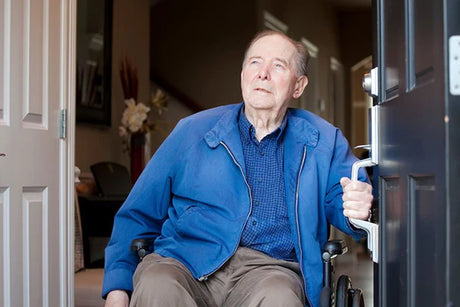
Is the person returning to a home where the support they need is in place?

What does a safe discharge require?
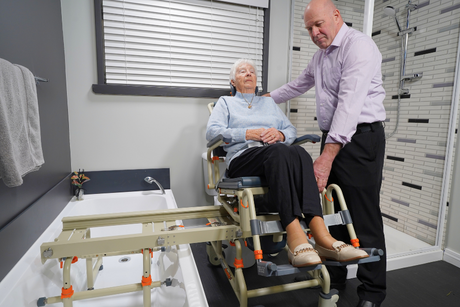
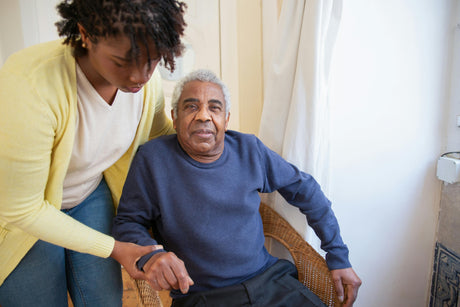
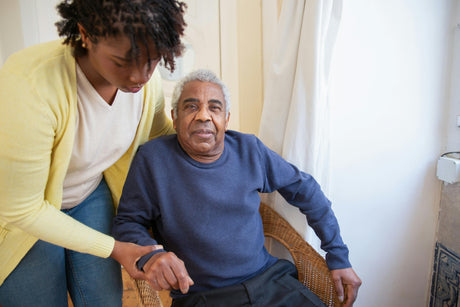
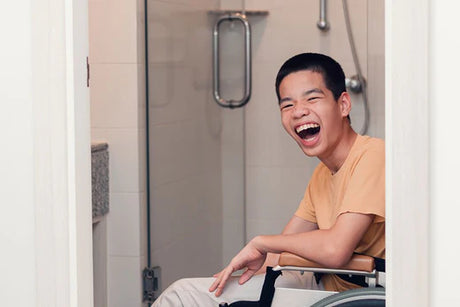
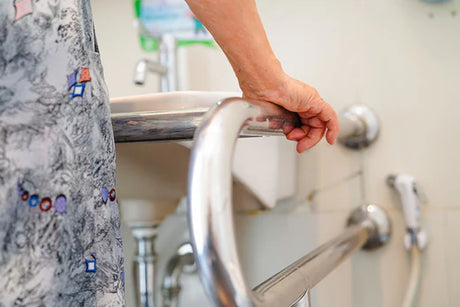
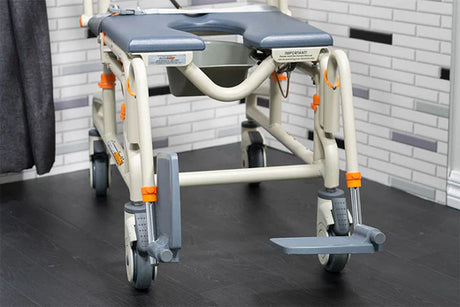
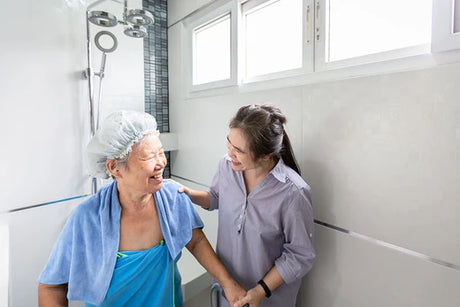
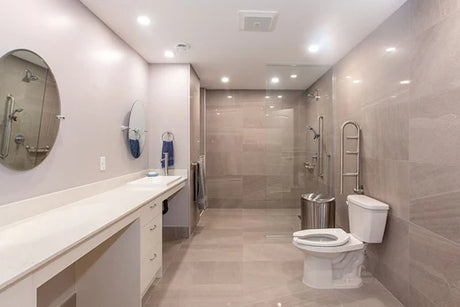
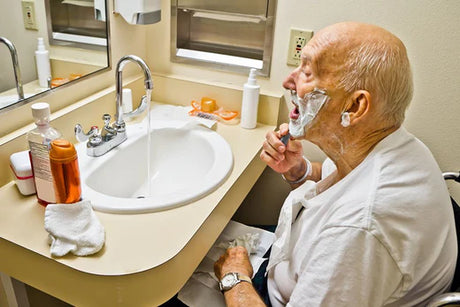
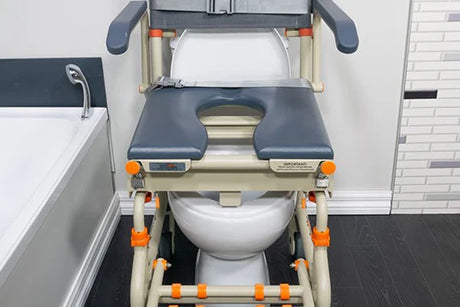
That includes the right equipment, any necessary home modifications, and a person or carer who knows how to use the equipment safely. For some people, the bathroom may be one of the first places where the difference between a plan on paper and a workable home becomes clear.
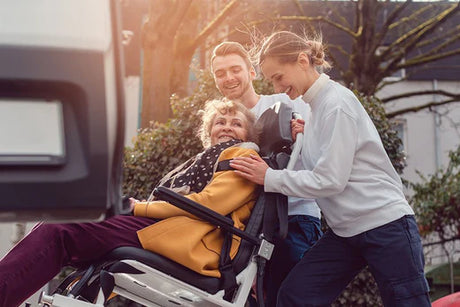
A safe discharge is not a single event. It is a transition from hospital care to daily life at home.
What most often makes that transition difficult in your experience: timely support, equipment, home modifications, or carer confidence?
Checking whether home is ready
“Ready for discharge” can sound like a clear point in time. In practice, the answer may depend on what the person will need to do once they reach home.
The NSW Enhanced Allied Health pilot recognises that older people may need support with mobility, falls risk, cognition, equipment and carer training. It brings together physiotherapists, occupational therapists, dietitians, speech pathologists, pharmacists and social workers to support up to 330 people a year at home.
The mix of support will differ from person to person. A plan that works in a hospital room may still need to be checked against the layout and routines of the home.
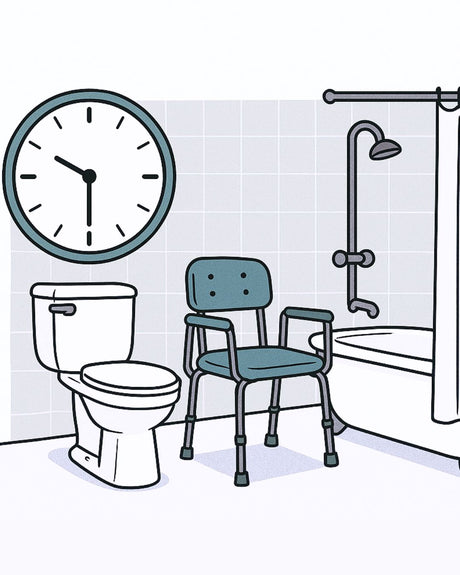
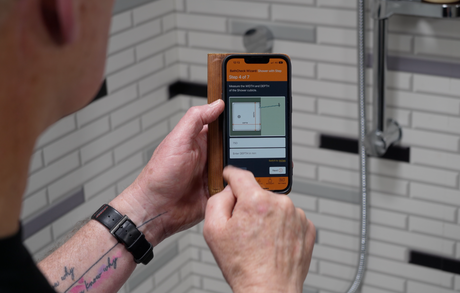
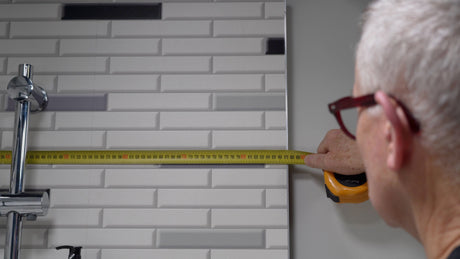
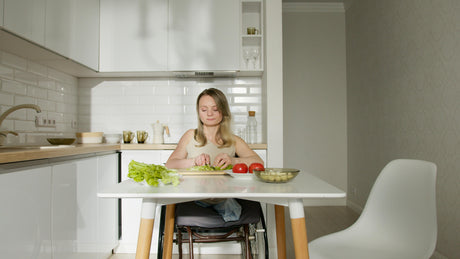
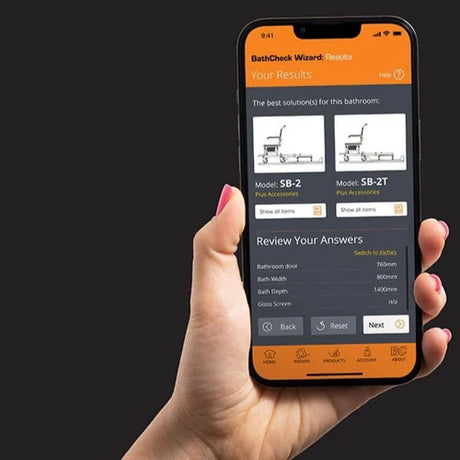
Can the person get to the bathroom? Can they transfer safely? Is there enough space for the recommended equipment? Can they use it as intended, or will a carer need to help? Does the carer know what to do?

Making equipment work in the home
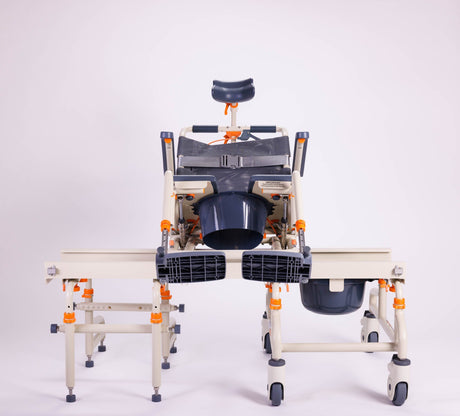
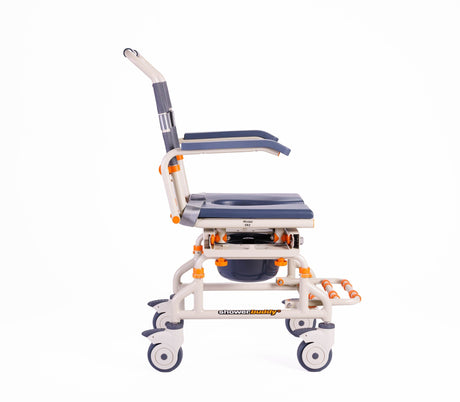
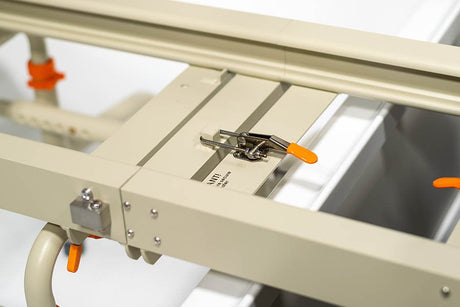
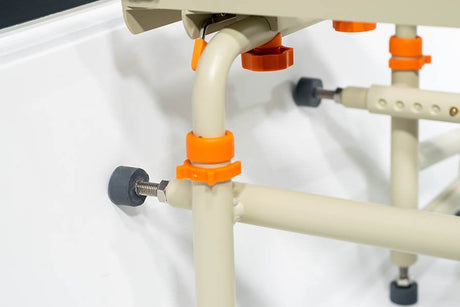
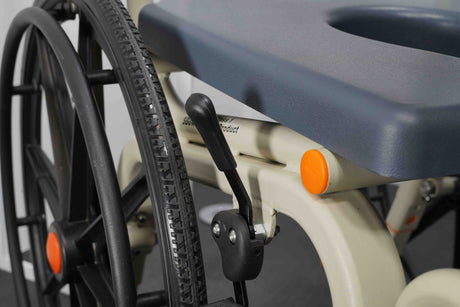
These questions matter because a piece of equipment can be appropriate in principle and still be difficult to use in a particular home. It may need to fit through a doorway, work alongside an existing bathroom layout, or be used with a transfer method that the person and carer understand.
That is where assessment, equipment selection, delivery, setup and training connect. Each step may be handled by different people, but the person experiences them as one transition.
“Home readiness” is not simply a checklist completed before discharge. It is a practical question: can the person manage the activities that matter to them, with the support that is actually available?
For therapists and discharge teams, which part of home readiness is most likely to be missed or addressed too late?
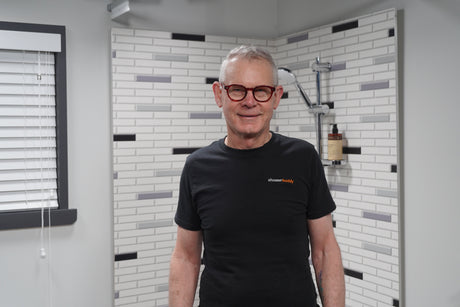
Practical conversations around safer bathroom access from Showerbuddy
Should you need assistance with a client’s bathroom layout please reach out to the Team at Showerbuddy, we are here to help … admin@shower-buddy.com or by phone
☎️ In Australia 1300 118 933
☎️ In the USA (877) 769-2833
☎️ In New Zealand 0800 35 35 36
Safe access. Smart design. Real independence.
Barry Redican
#AccessInsights #OccupationalTherapy #AssistiveTechnology #BathroomSafety #ManualHandling #AgedCare #NDIS #Showerbuddy